
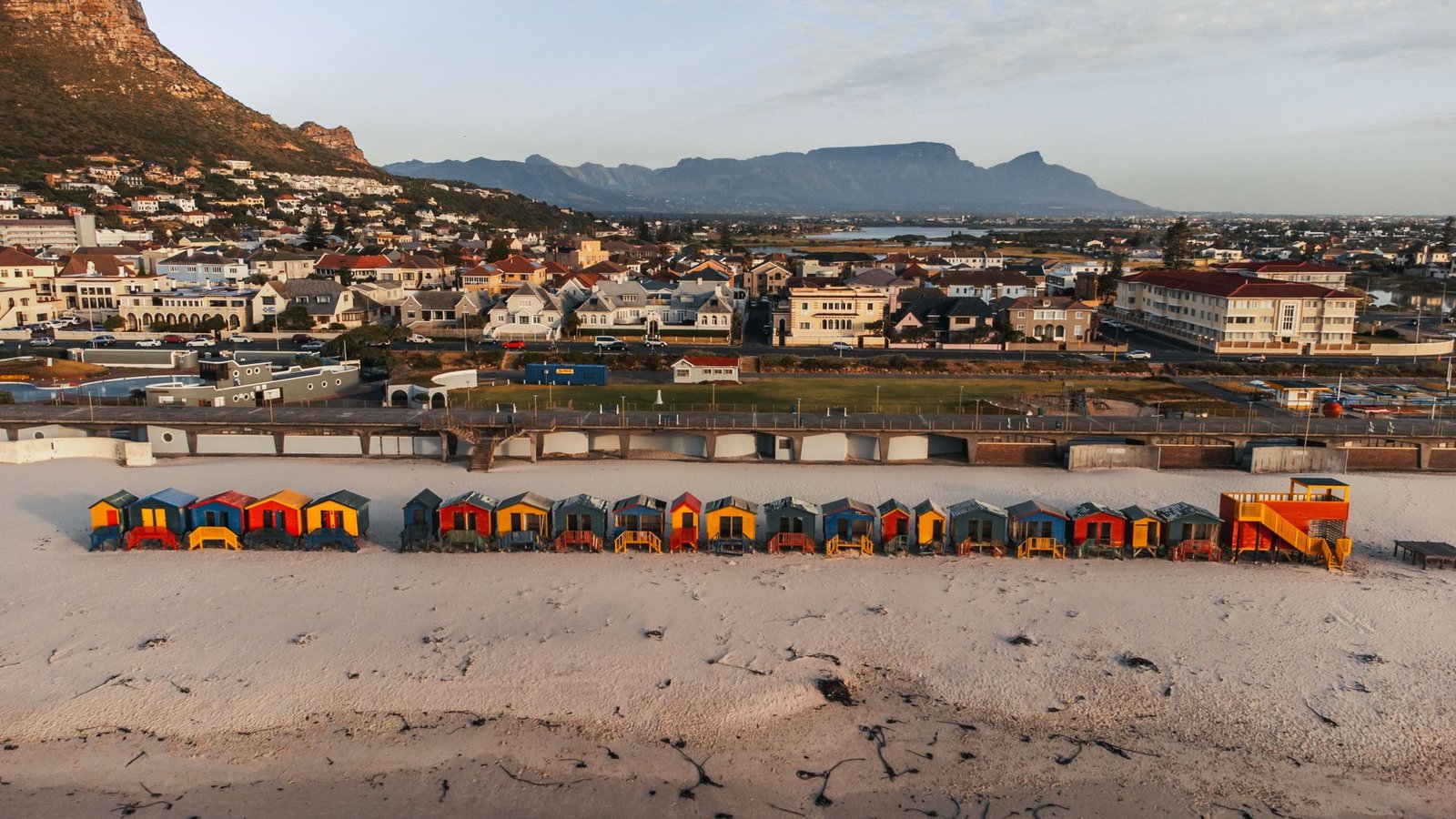
Cape Town house prices have surged significantly, outpacing those in Johannesburg and Durban. This trend raises questions about the real estate market’s future and investment opportunities in the region.
Current Trends in Cape Town House Prices
Recent data indicates a notable shift in the real estate market, particularly in Cape Town. The city has witnessed a significant increase in house prices, outpacing growth in other major South African cities like Johannesburg and Durban. As potential investors evaluate their options, understanding current trends in Cape Town house prices is essential.
According to the latest reports, the average price of homes in Cape Town has surged by over 10% in the past year alone. This increase is attributed to several factors:
- Demand for housing: With a booming population and an influx of remote workers, demand for residential properties has escalated.
- Limited supply: The availability of land for new developments is dwindling, contributing to rising prices.
- Investment appeal: Cape Town’s allure as a tourist destination and its lifestyle offerings continue to attract both local and international buyers.
However, while the upward trend in Cape Town house prices may seem promising, potential buyers should consider market fluctuations and long-term sustainability. An informed approach will be crucial for those looking to navigate this dynamic market effectively.
Comparative Analysis with Johannesburg and Durban
In recent years, Cape Town house prices have demonstrated a remarkable trajectory compared to other major South African cities, notably Johannesburg and Durban. A comparative analysis reveals distinct differences in the real estate markets of these metropolitan areas.
According to recent reports, the annual growth rate of Cape Town house prices has consistently outpaced that of both Johannesburg and Durban. While Cape Town’s property market has seen a surge due to factors such as tourism, a desirable climate, and a burgeoning tech scene, Johannesburg and Durban have experienced more moderate increases.
- Joburg: The housing market in Johannesburg remains attractive due to its status as the financial hub of South Africa. However, economic fluctuations have led to a slowdown in price growth.
- Durban: Durban’s real estate tends to be more affordable, but it lacks the rapid appreciation seen in Cape Town. Its coastal charm draws some buyers, yet it does not match Cape Town’s investment appeal.
Investors seeking opportunities in the South African property market must weigh these dynamics carefully, as the faster rising Cape Town house prices may indicate a stronger long-term investment potential.
Factors Driving Cape Town’s Price Increase
The recent surge in Cape Town house prices can be attributed to several key factors that have made the city a desirable location for both local and international buyers.
- Economic Growth: Cape Town has experienced robust economic growth, attracting businesses and professionals. This influx has increased demand for housing, driving prices upward.
- Scenic Beauty: The city’s stunning landscapes, including Table Mountain and beautiful beaches, continue to captivate homebuyers. The allure of a picturesque environment plays a significant role in the rising house prices.
- Tourism: Cape Town remains a top tourist destination, leading to a thriving short-term rental market. Investors often see property in this area as a lucrative opportunity, further pushing up prices.
- Infrastructure Development: Ongoing improvements in infrastructure, such as roads and public transport, enhance the city’s connectivity and appeal, making it a preferred choice for homebuyers.
- Limited Supply: The geographic constraints around Cape Town create a limited supply of available land for new developments, which in turn exacerbates the demand and elevates house prices.
These factors collectively contribute to the perception that Cape Town house prices are not just rising but are worth the investment for many buyers.
Investment Opportunities in Cape Town
As Cape Town house prices continue to rise, potential investors are keen to explore the opportunities this vibrant market presents. The city, known for its stunning landscapes and cultural diversity, remains a desirable destination for both local and international buyers.
Several factors contribute to the attractiveness of investing in Cape Town real estate:
- Strong Rental Market: With a steady influx of tourists and new residents, the demand for rental properties in Cape Town is consistently high.
- Infrastructure Development: Ongoing improvements in public transport and amenities enhance the overall living experience, making properties more appealing.
- Economic Growth: The city’s economy is diversifying, with sectors like tech and renewable energy gaining traction, which can lead to increased job opportunities.
- Natural Beauty: Cape Town’s unique geography offers stunning views and outdoor activities, attracting individuals looking to relocate or invest in holiday homes.
However, potential investors should also consider the challenges, such as fluctuating interest rates and the impact of global economic conditions. Overall, with careful research and planning, investing in Cape Town house prices could yield significant long-term rewards.
Expert Opinions on the Market
Experts in the real estate market are weighing in on the recent surge in Cape Town house prices, suggesting that the trend may continue in the near future. According to real estate analyst John Smith, “The demand for housing in Cape Town is driven by both local and international buyers, making it a hot market for investment.” He emphasizes that the city’s unique lifestyle offerings, stunning landscapes, and cultural diversity are drawing people in.
Another expert, Sarah Jones, points out that “Cape Town house prices have risen significantly in comparison to other major cities like Johannesburg and Durban, which makes it an attractive option for investors.” She notes that the city’s real estate market is relatively resilient, even in the face of economic uncertainty.
Additionally, local real estate agent Michael Lee highlights the potential for long-term growth: “Investing in Cape Town properties now could yield substantial returns in the coming years, especially as more developments are planned in the area.” He suggests that buyers should consider both residential and commercial properties, as the demand for space continues to increase.
In conclusion, with expert opinions largely favoring investment in Cape Town, it appears that the rising house prices may indeed be worth the consideration for potential investors.
Future Predictions for Real Estate in Cape Town
As the real estate market in Cape Town continues to thrive, many analysts are making future predictions regarding house prices in the region. With the city’s strong economic foundation and increasing demand for residential properties, it is anticipated that Cape Town house prices will maintain a steady upward trajectory over the next few years.
Several factors contribute to these predictions:
- Population Growth: The influx of new residents, both local and international, is expected to increase demand for housing.
- Infrastructure Development: Ongoing investments in infrastructure, such as transportation and amenities, are likely to enhance property values.
- Tourism Appeal: Cape Town’s status as a tourist hotspot continues to attract property investors, further driving prices up.
- Economic Stability: A resilient local economy, bolstered by diverse industries, supports long-term investment in real estate.
Experts suggest that while short-term fluctuations may occur, the overall trend indicates that investing in Cape Town real estate remains a worthwhile consideration. With predictions of sustained growth, potential investors are encouraged to assess the market now before prices escalate further.
Photo by Aqeel Khan on Pexels