
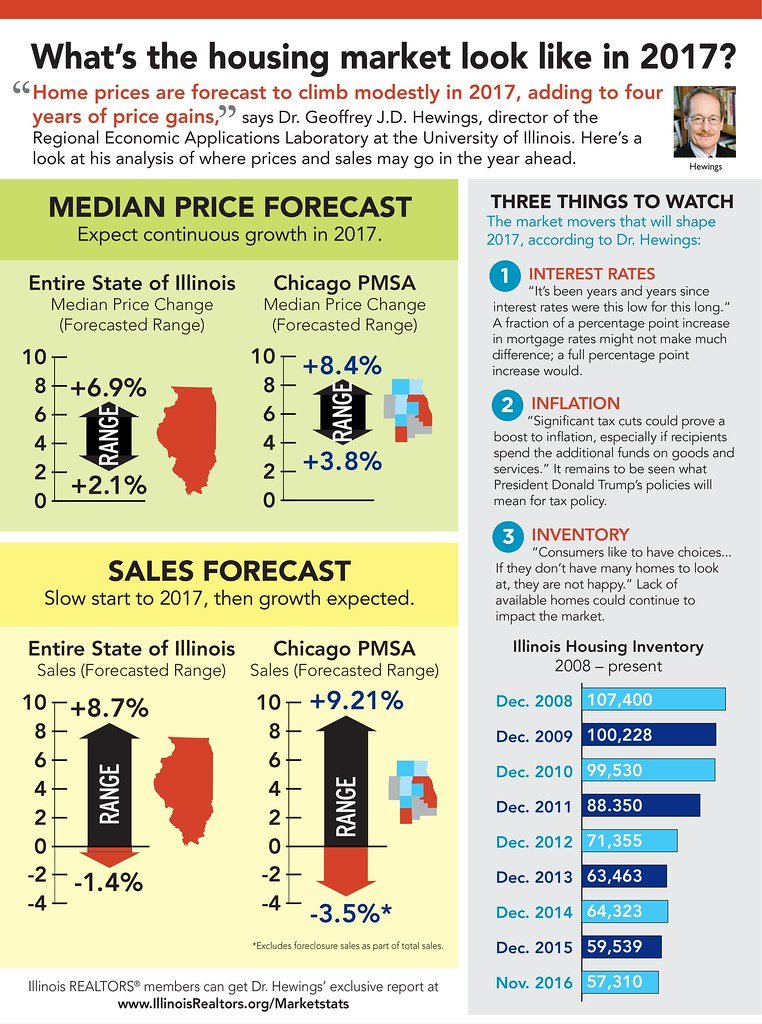
property prices interest rates are a hot topic as many wonder what will happen if rates continue to rise. This article explores the potential impacts on the real estate market.
Understanding Interest Rate Changes
Understanding interest rate changes is crucial for anyone involved in the property market. As interest rates rise, the cost of borrowing increases, which can lead to a decrease in demand for housing. This shift can significantly impact property prices across various regions.
When mortgage rates climb, potential buyers often find it more challenging to secure financing, leading them to reconsider their purchasing plans. This situation can create a ripple effect in the real estate market, where falling demand may push sellers to lower their prices to attract buyers. Consequently, this can lead to a broader decline in property values.
Several factors contribute to how interest rates influence property prices:
- Affordability: Higher interest rates result in higher monthly payments, making homes less affordable for many buyers.
- Investor Behavior: Investors may pull back from the market, anticipating lower returns on their investments as property prices stabilize or decline.
- Market Sentiment: Rising rates can create uncertainty, causing potential buyers to adopt a wait-and-see approach.
Overall, the relationship between property prices and interest rates is complex, and understanding this dynamic is essential for navigating current and future market conditions.
Impact of Rising Rates on Property Prices
The relationship between rising interest rates and property prices has become a pressing concern for both buyers and investors. As central banks increase rates to combat inflation, the cost of borrowing also rises, leading to higher mortgage rates. This shift can have several significant impacts on the property market.
Firstly, as interest rates climb, prospective buyers may find their purchasing power diminished. Higher mortgage payments can deter first-time buyers, causing demand to drop. Consequently, property prices may stagnate or even decrease in some areas as sellers adjust to the changing market conditions.
Additionally, current homeowners with adjustable-rate mortgages might face increased financial strain. This situation can lead to a rise in foreclosures, further saturating the market with properties and driving prices down.
Moreover, investors may reconsider their strategies. If property prices are predicted to decline, the appeal of real estate as a long-term investment could diminish. In summary, the ongoing rise in interest rates is likely to create a ripple effect on property prices, making it essential for potential buyers and investors to stay informed about these crucial economic factors.
What Experts Are Saying
Experts in the real estate market are voicing their concerns about the ongoing fluctuations in interest rates and their impact on property prices. According to a recent analysis, as interest rates continue to rise, the affordability of homes is becoming a significant issue for potential buyers.
Many analysts believe that the correlation between interest rates and property prices is becoming increasingly evident. Dr. Emily Johnson, a leading economist, stated, “Higher interest rates typically lead to increased borrowing costs, which can deter buyers and subsequently lower property prices.”
Furthermore, Mark Stevens, a real estate analyst, noted the potential long-term effects: “If interest rates remain elevated, we could see a prolonged period of stagnation in the housing market.”
Experts are urging both buyers and investors to remain cautious during this period of uncertainty. They recommend considering the following factors:
- Current interest rates and trends
- Regional differences in property markets
- Potential for price corrections
As property prices continue to adjust to the changing economic landscape, stakeholders are advised to stay informed and prepared for further developments in interest rates.
Historical Trends in Property Prices
Over the last few decades, property prices have exhibited significant fluctuations, often influenced by changes in interest rates. Historical data reveals that when interest rates rise, the consequences on property prices can be profound. In the late 1980s, for example, a sharp increase in interest rates led to a subsequent decline in housing demand, which caused property prices to drop dramatically.
Similarly, during the early 2000s, interest rates were relatively low, which contributed to a robust property market where prices soared. However, as rates began to climb in the mid-2000s, the housing bubble burst, leading to a significant downturn in property values across many regions.
Currently, analysts are monitoring the situation closely as interest rates have begun to rise once more. The question many are asking is whether this trend will lead to another downturn in property prices. The correlation between rising interest rates and declining property prices has been evident historically, making it crucial for potential buyers and investors to remain vigilant.
- 1980s: Sharp increase in interest rates led to a price drop.
- 2000s: Low rates spurred price growth, followed by a sharp decline as rates rose.
As interest rates continue to fluctuate, the impact on property prices remains a pressing concern for homeowners and investors alike.
Investment Strategies in a High-Rate Environment
As interest rates continue to climb, navigating the real estate market can be challenging for investors. In a high-rate environment, it is essential to adopt effective investment strategies to mitigate risks associated with increasing property prices and borrowing costs.
Here are some strategies to consider:
- Focus on cash flow: Prioritize properties that generate consistent rental income. This can help offset the impact of higher mortgage payments.
- Explore alternative financing: Look into adjustable-rate mortgages or seller financing options, which may offer lower initial payments.
- Invest in emerging markets: Consider targeting areas with robust job growth and infrastructure development, where property values may remain stable despite rising interest rates.
- Negotiate effectively: Use the current market conditions to negotiate better purchase prices, as sellers may be more willing to compromise in a shifting landscape.
- Diversify your portfolio: Don’t limit investments to residential properties; explore commercial real estate or REITs, which may perform differently under varying economic conditions.
By employing these strategies, investors can better position themselves to handle fluctuations in property prices due to interest rate changes.
Future Predictions for the Real Estate Market
As the real estate market grapples with the ongoing fluctuations in interest rates, future predictions regarding property prices remain a hot topic among analysts and investors. Experts are increasingly concerned that a sustained increase in interest rates could lead to a significant downturn in property values.
Several key factors are expected to influence the trajectory of property prices in the coming years:
- Economic Stability: If economic conditions deteriorate, consumer confidence may wane, leading to decreased demand for homes.
- Affordability Issues: Rising interest rates can heighten borrowing costs, making it challenging for potential buyers to enter the market. This could suppress housing demand.
- Supply Chain Constraints: Continued supply chain disruptions may hinder new construction, potentially keeping prices elevated despite higher interest rates.
- Investor Sentiment: Investors may adjust their strategies, either pulling back from the market or seeking alternative investment avenues, which could reshape property dynamics.
In conclusion, while the connection between property prices and interest rates is complex, ongoing trends suggest that if rates continue to rise, the real estate market could face substantial challenges in the near future.
The recent analysis highlights how rising property prices interest rates have led to a significant slowdown in the housing market. Homebuyers are increasingly concerned about how property prices interest rates will affect their purchasing power in the coming months.
By scherknoah via Openverse