
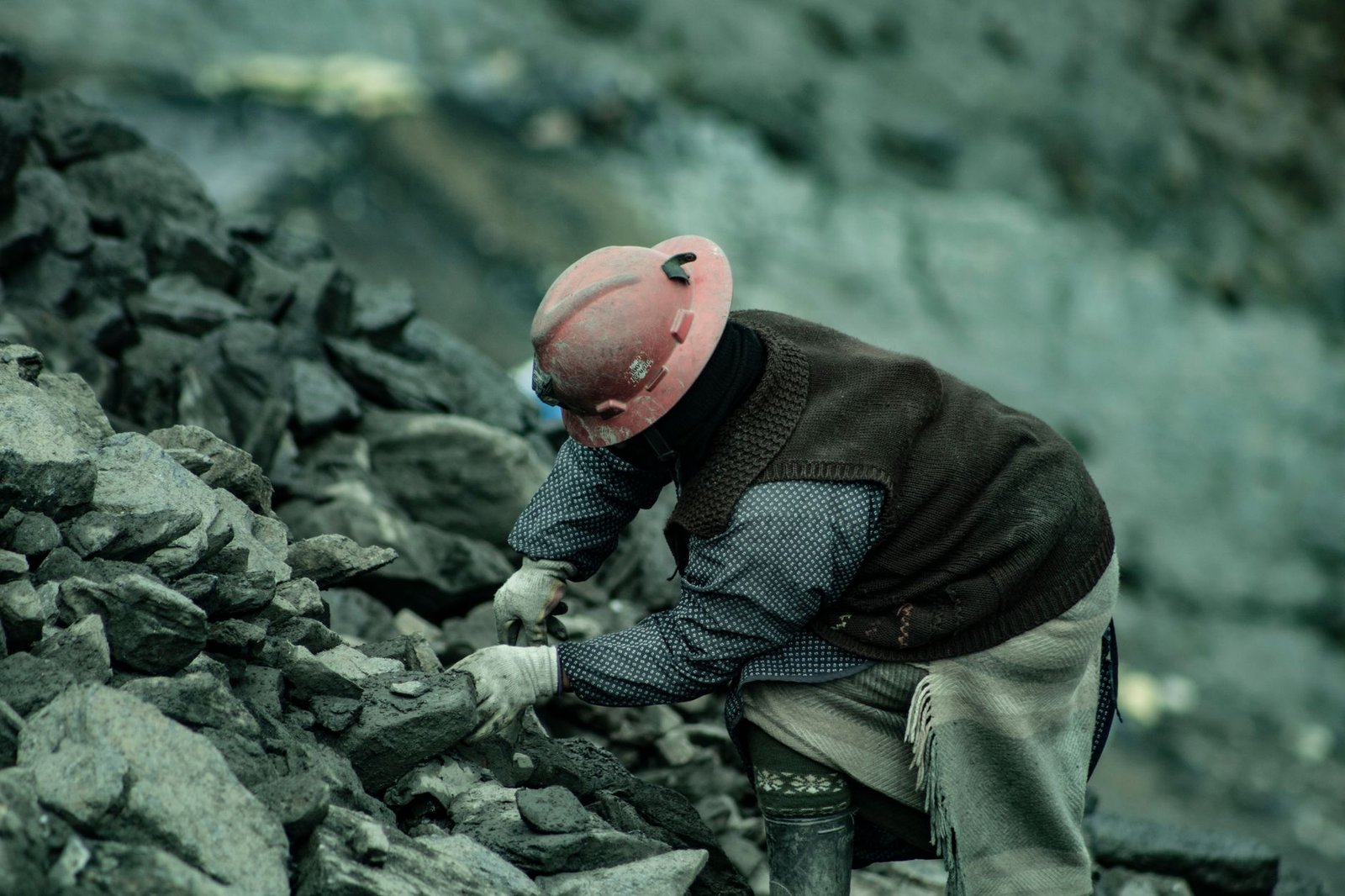
Critical minerals jobs are becoming a priority as the UN launches a new plan to assist developing nations in creating employment opportunities. This initiative aims to transform mineral resources into sustainable job creation.
Understanding Critical Minerals
Critical minerals are essential elements that play a vital role in various industries, including technology, renewable energy, and defense. These minerals, such as lithium, cobalt, and rare earth elements, are crucial for manufacturing batteries, electric vehicles, and advanced electronics. As the global demand for clean energy solutions rises, understanding the significance of critical minerals becomes increasingly important for economic growth.
Developing nations are now recognizing the potential of their natural resources to create critical minerals jobs. By tapping into these resources, countries can not only boost their economies but also provide sustainable employment opportunities for their citizens. The United Nations has launched a comprehensive plan aimed at assisting these nations in harnessing their mineral wealth effectively.
Key components of this plan include:
- Investment in mining infrastructure
- Training programs for local communities
- Partnerships with private sectors and international organizations
- Environmental protection measures to ensure sustainable practices
By implementing these strategies, developing nations can transform their critical minerals into a significant source of employment, ultimately leading to economic resilience and growth.
The UN’s New Initiative
The United Nations has recently launched a groundbreaking initiative aimed at helping developing nations harness their critical mineral resources to create sustainable jobs. This plan focuses on the sustainable extraction and processing of minerals essential for modern technologies, including lithium, cobalt, and rare earth elements.
As global demand for these resources continues to rise, the UN recognizes the potential for critical minerals jobs to significantly boost local economies. The initiative emphasizes the importance of investing in education and training programs to equip the workforce with the necessary skills for this emerging sector. By fostering partnerships between governments, private sector companies, and international organizations, the UN aims to ensure that developing nations can reap the benefits of their mineral wealth.
- Creation of local job opportunities in mining and processing.
- Implementation of environmentally sustainable practices.
- Investment in workforce development and training.
- Support for local communities to engage in the supply chain.
This multi-faceted approach not only seeks to promote economic growth but also aims to address social inequalities, ensuring that the benefits of critical minerals are widely shared among the population.
Impact on Developing Nations
The recent initiative by the UN aims to transform the landscape of critical minerals jobs in developing nations. By focusing on sustainable practices and local empowerment, the plan seeks to create a pathway for economic growth and stability.
Many developing nations are rich in critical minerals, which are essential for the production of various technologies, including renewable energy systems and electric vehicles. However, the potential for these resources often remains untapped due to lack of infrastructure and investment. The UN’s initiative addresses these challenges through multiple strategies:
- Capacity Building: The plan emphasizes training local communities to develop skills necessary for the extraction and processing of critical minerals.
- Investment Opportunities: By attracting foreign investment, the initiative aims to enhance local mining operations and create jobs.
- Environmental Sustainability: The focus is also on promoting eco-friendly mining practices, ensuring that economic growth does not come at the expense of the environment.
Ultimately, the initiative not only seeks to create critical minerals jobs but also aims to foster a sustainable economic model that benefits both local communities and the global market.
Future of Job Creation
As the global demand for critical minerals surges, the future of job creation in developing nations appears promising. These countries are uniquely positioned to harness their natural resources to stimulate economic growth and employment opportunities. By focusing on sustainable mining practices and efficient resource management, nations can cultivate a skilled workforce dedicated to the extraction and processing of critical minerals.
The UN’s new initiative aims to support these efforts, offering guidance and resources to help governments develop robust policies. This will not only enhance local job creation but also ensure that communities benefit from the wealth generated by their mineral resources.
Key areas of potential job growth include:
- Mining Operations: Skilled labor will be needed to extract minerals safely and sustainably.
- Processing Facilities: Jobs in processing critical minerals will be essential for adding value before export.
- Research and Development: Innovations in extraction technologies can create high-tech positions.
- Environmental Management: As sustainability becomes a priority, roles focused on minimizing ecological impact will increase.
In summary, critical minerals jobs are not just about employment; they represent a pathway to greater economic stability and development for many nations.
Developing nations can significantly benefit from the creation of critical minerals jobs, fostering economic growth and sustainability. By investing in education and infrastructure, these countries can ensure a steady supply of skilled workers for the emerging critical minerals jobs sector.
Photo by Neneqo Fotógrafo on Pexels