
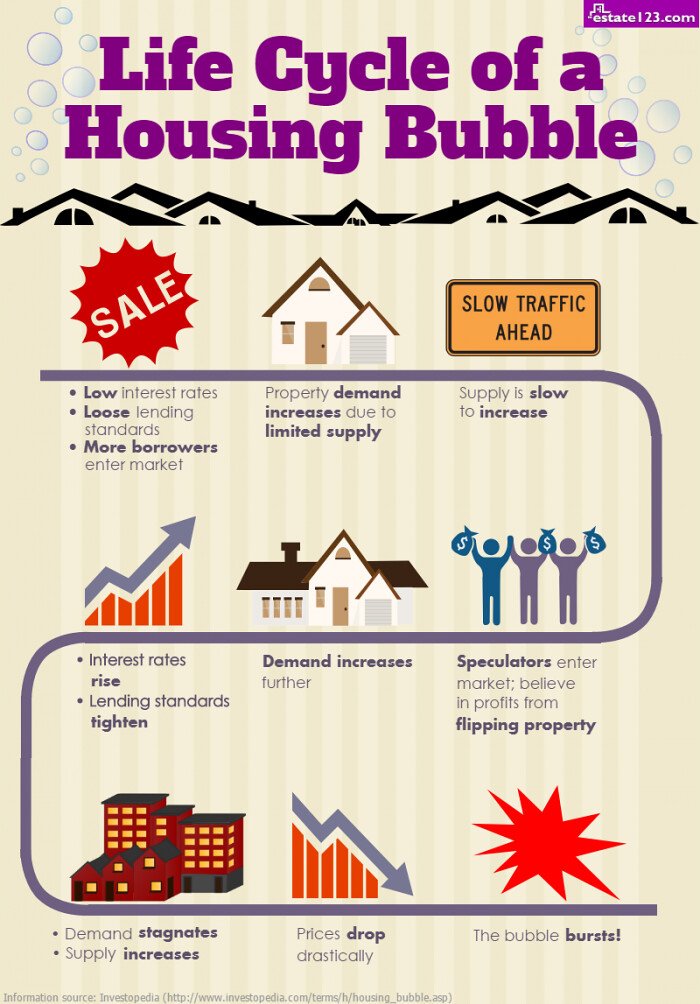
Hong Kong home prices are facing significant downward pressure as Goldman Sachs slashes its forecasts. The combination of rising interest rates and a turbulent equity market is reshaping the real estate landscape.
Current State of Hong Kong Home Prices
The current state of Hong Kong home prices is under significant scrutiny as financial analysts reevaluate their forecasts. Recently, Goldman Sachs announced a revision of their predictions, citing rising interest rates and a downturn in equity markets as primary factors influencing the real estate landscape.
In the past few months, home prices in Hong Kong have experienced fluctuations, reflecting a combination of local and global economic pressures. Key points to consider include:
- Interest Rates: The increase in interest rates has made mortgages more expensive, leading to a decrease in buyer affordability.
- Equity Market Volatility: The ongoing volatility in the stock market has made investors cautious, further shrinking the pool of potential homebuyers.
- Government Policies: Recent government policies aimed at cooling the housing market have also played a significant role in shaping the current trends.
As a result, many experts believe that the forecast for Hong Kong home prices may continue to decline in the short term. These developments raise concerns about the long-term implications for both homeowners and investors. The market’s ability to recover will likely depend on the stabilization of interest rates and improvements in the equity market.
Overall, the situation remains dynamic, and stakeholders are advised to stay informed as more data emerges.
Factors Influencing Price Changes
The fluctuations in Hong Kong home prices can be attributed to a variety of factors that influence the real estate market. Understanding these elements is crucial for potential buyers and investors alike.
- Interest Rates: The trajectory of interest rates plays a significant role in shaping home prices. As rates rise, borrowing costs increase, which can dampen demand and lead to a decline in property values.
- Economic Performance: The overall economic situation, including employment rates and GDP growth, directly impacts consumer confidence. A robust economy typically encourages home purchases, while economic downturns can result in decreased demand.
- Government Policies: Policies related to housing, taxation, and foreign investment can drastically change the landscape. Recent measures aimed at curbing speculation may have unintended effects on the market.
- Market Sentiment: Investor sentiment often drives home price fluctuations. Negative news, such as geopolitical tensions or financial instability, can result in a swift decline in prices.
- Supply and Demand: The balance between housing supply and buyer demand is fundamental. A shortage of available properties can lead to price increases, while an oversupply may push prices downward.
As indicated by recent analyses, these factors will continue to shape the future of Hong Kong home prices, making it essential for stakeholders to stay informed.
Goldman Sachs’ Revised Forecast
Goldman Sachs has significantly revised its forecast for Hong Kong home prices, reflecting a pessimistic outlook amid rising interest rates and a tumultuous equity market. The investment bank has slashed its previous predictions, now anticipating a decline of up to 15% in residential property prices over the next year. This adjustment comes as the financial institution recognizes the mounting pressure on the housing market, which has already experienced considerable volatility.
Several key factors have contributed to this downward revision:
- Interest Rate Hikes: With central banks globally tightening monetary policy, the cost of borrowing has increased, making mortgages less affordable for potential buyers.
- Equity Market Performance: The decline in the stock market has further eroded consumer confidence, leading to reduced investment in real estate.
- Economic Uncertainty: Ongoing geopolitical tensions and economic challenges have left many investors cautious, impacting their willingness to enter the Hong Kong property market.
Goldman Sachs’ new forecast highlights the precarious situation facing Hong Kong home prices, as potential buyers grapple with higher financing costs and an unstable economic environment. In a city where the housing market is often seen as a barometer of economic health, these insights from Goldman Sachs underscore the challenges ahead for homeowners and potential investors alike.
Impact of Interest Rates on Real Estate
The relationship between interest rates and Hong Kong home prices has become increasingly pronounced as economic conditions evolve. Analysts suggest that rising interest rates may lead to a cooling in the real estate market, with potential consequences for homeowners and investors alike.
As borrowing costs rise, many prospective buyers may find themselves priced out of the market. This shift can result in decreased demand for residential properties, ultimately leading to a decline in home prices. The interplay between interest rates and purchasing power is critical, as higher rates can dampen consumer confidence and spending.
Furthermore, the impact of interest rates is compounded by the volatile equity markets seen in recent months. With equities under pressure, investors may turn to more traditional assets, such as real estate, but higher financing costs could deter this trend. The uncertainty surrounding interest rates and market fluctuations creates a challenging environment for both buyers and sellers.
In addition to the immediate effects on home prices, long-term forecasts indicate that sustained high rates could hinder recovery in the housing market, resulting in prolonged stagnation. As Goldman Sachs recently highlighted, the outlook for Hong Kong home prices remains somber, emphasizing the need for stakeholders to adjust their expectations in light of these financial realities.
In conclusion, the correlation between interest rates and Hong Kong home prices is a crucial factor to monitor as the market navigates these turbulent times.
Market Reactions and Investor Sentiment
Market reactions to the latest forecasts concerning Hong Kong home prices have reflected a growing sense of unease among investors. Following Goldman Sachs’ recent revision, which slashed its price expectations, many market participants are reassessing their strategies. The confluence of rising interest rates and a downturn in equity markets has created an environment where confidence in real estate is wavering.
Investor sentiment has noticeably shifted, as concerns about affordability and potential oversupply loom large. Several key factors are driving this reconsideration:
- Interest Rate Hikes: As borrowing costs increase, potential buyers may be deterred from entering the market, leading to lower demand for properties.
- Equity Market Volatility: The recent rout in equity markets has led investors to reevaluate their portfolios, with many pulling back on real estate investments.
- Economic Uncertainty: Broader economic challenges, including inflation and geopolitical tensions, are contributing to a cautious approach among buyers.
As a result, the outlook for Hong Kong home prices appears increasingly pessimistic. Analysts suggest that unless there are significant changes in the current economic landscape, the downward pressure on prices may continue. This shift in sentiment could signal a prolonged period of volatility in the Hong Kong real estate market, raising questions about future investment opportunities.
Future Outlook for Home Buyers
The future outlook for home buyers in Hong Kong remains uncertain as the market grapples with a series of economic challenges. With Goldman Sachs recently slashing its forecasts for Hong Kong home prices, potential buyers are left wondering about the best timing for their investments.
Analysts suggest that the combination of rising interest rates and a declining equity market could further dampen buyer enthusiasm. The increased costs associated with borrowing may lead to a cautious approach among prospective homeowners, particularly first-time buyers who are already facing affordability issues.
As home prices continue to fluctuate, buyers are advised to consider several key factors:
- Market Trends: Staying informed about ongoing shifts in the property market can provide valuable insights into potential buying opportunities.
- Government Policies: Any changes in housing regulations or economic stimulus measures could significantly impact home prices in the future.
- Personal Financial Situation: Buyers should evaluate their finances carefully to ensure they are prepared for potential market volatility.
- Long-Term Goals: Focusing on long-term investment objectives rather than short-term fluctuations may prove beneficial.
In conclusion, while the outlook for Hong Kong home prices is cautious, informed buyers who remain vigilant and adaptable may still find opportunities in the evolving landscape.
By henrycollins2 via Openverse