
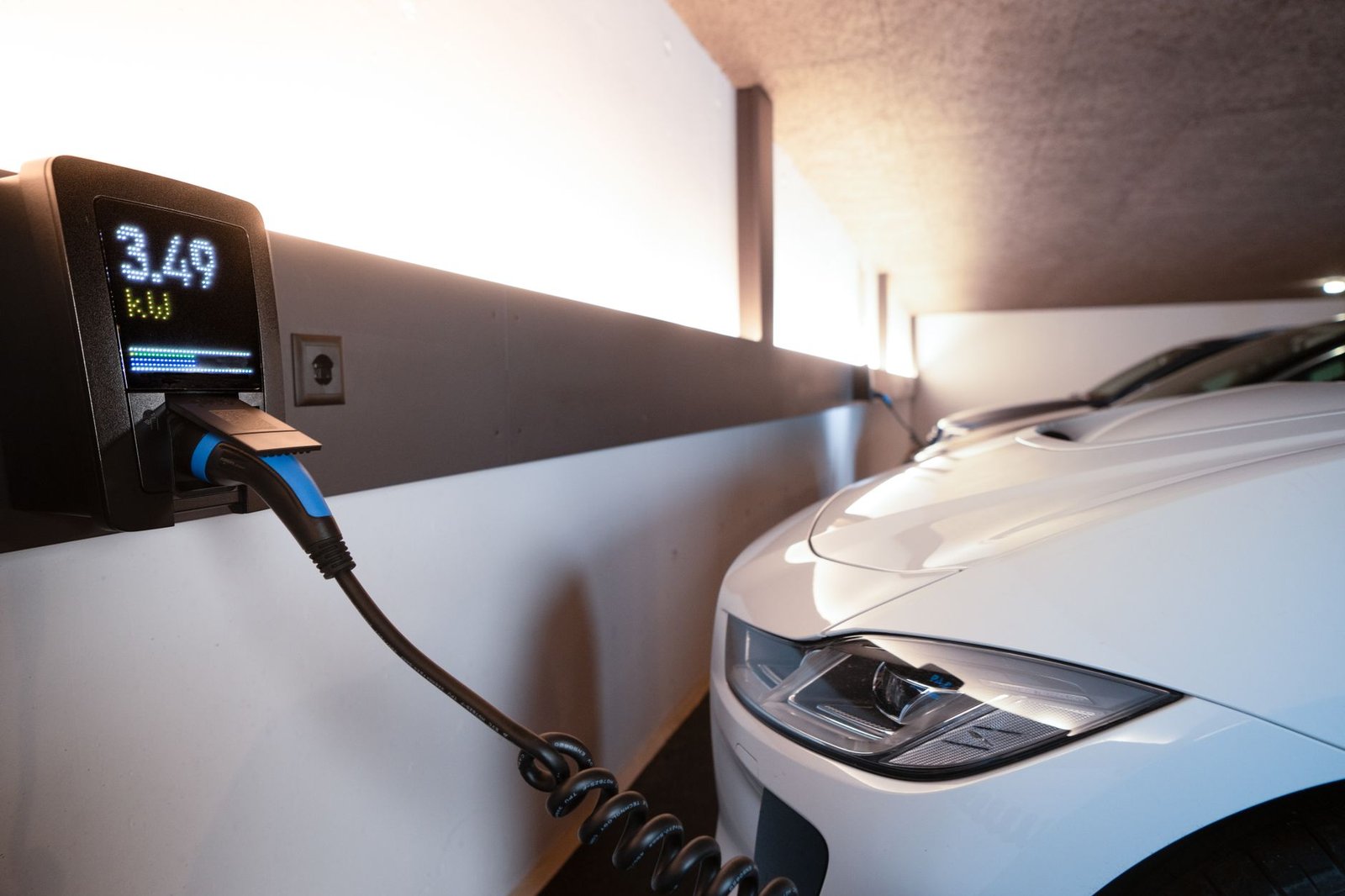
The sodium-ion residential battery is revolutionizing energy storage. With a capacity of 9.7 kWh, this innovative technology promises to enhance home energy efficiency.
What is a Sodium-Ion Residential Battery?
The sodium-ion residential battery is an innovative energy storage solution that utilizes sodium ions to store and release electricity. This technology presents a promising alternative to the more commonly used lithium-ion batteries, particularly in residential settings where energy efficiency and sustainability are paramount.
Sodium-ion batteries operate on a similar principle to their lithium counterparts, but they use sodium, which is more abundant and widely available. This can lead to lower production costs and a reduced environmental impact. The recent launch of the 9.7 kWh sodium-ion chromium oxide residential battery by AuroraCell marks a significant advancement in this field.
Some key features of sodium-ion residential batteries include:
- Cost-Effectiveness: The abundance of sodium can drive down costs, making these batteries an attractive option for homeowners.
- Environmental Impact: Sodium-ion technology minimizes reliance on lithium and cobalt, which are often associated with environmentally damaging mining practices.
- Performance: These batteries can provide reliable energy storage solutions, essential for residential use, especially during peak demand times.
As energy demands continue to evolve, the sodium-ion residential battery may play a critical role in shaping the future of energy management in homes.
Benefits of Using Sodium-Ion Batteries
The emergence of sodium-ion residential batteries presents a promising alternative to traditional lithium-ion systems. As energy demands grow, these batteries offer several compelling benefits that make them an attractive option for homeowners.
- Cost-Effectiveness: Sodium is abundant and inexpensive compared to lithium, which can lead to lower production costs for sodium-ion batteries. This economic advantage can translate into more affordable energy storage solutions for residential use.
- Environmental Impact: Sodium-ion batteries are considered more environmentally friendly. The extraction of sodium has a lesser ecological footprint than lithium mining, making sodium-ion technology a more sustainable choice for energy storage.
- Safety: Sodium-ion batteries are less prone to overheating and fires, which enhances their safety profile. This is particularly important for residential applications where safety concerns are paramount.
- Performance in Extreme Conditions: These batteries offer stable performance across a wider temperature range, making them suitable for diverse climates and conditions.
- Longer Lifespan: Sodium-ion batteries generally exhibit a longer cycle life, ensuring that homeowners can rely on them for extended periods without significant degradation in performance.
Given these benefits, the sodium-ion residential battery may prove to be one of the best energy solutions available today.
How Does AuroraCell’s Battery Compare?
The launch of AuroraCell’s 9.7 kWh sodium-ion residential battery marks a significant advancement in energy storage technology. This new battery stands out in several ways when compared to traditional lithium-ion options.
One of the key advantages of AuroraCell’s sodium-ion battery is its use of abundant materials, reducing dependency on rare metals. This not only lowers production costs but also makes the battery more environmentally friendly. Furthermore, sodium-ion batteries generally offer better thermal stability, decreasing the risk of overheating and fire hazards.
In terms of performance, AuroraCell claims that their battery can have a longer lifespan when subjected to frequent charging and discharging cycles. This durability is essential for residential applications where energy demands can fluctuate. Additionally, the 9.7 kWh capacity is designed to meet the needs of an average household, making it a practical solution for energy storage.
- Cost-effective: Lower material costs compared to lithium-ion batteries.
- Safety: Improved thermal stability reduces fire risks.
- Longevity: Enhanced lifespan under regular usage.
Overall, the sodium-ion residential battery from AuroraCell may very well be a game-changer in how homeowners approach energy storage solutions.
Installation Process for Residential Batteries
Installing a sodium-ion residential battery involves several key steps to ensure optimal performance and safety. Homeowners interested in harnessing the benefits of this innovative energy solution should follow these essential guidelines.
- Site Assessment: Before installation, a thorough evaluation of the location is crucial. This involves checking for adequate space, proximity to the main power supply, and accessibility for maintenance.
- Choosing the Right Battery: Selecting the appropriate sodium-ion residential battery model is vital. Consider factors such as energy capacity, efficiency, and compatibility with existing solar systems.
- Professional Installation: While some may consider a DIY approach, it is highly recommended to hire certified professionals. They ensure that the installation meets all safety standards and local regulations.
- Connection to the Grid: A seamless connection to the home’s electrical system is essential. This step often involves collaboration with local utility providers to ensure compliance with grid requirements.
- Testing and Optimization: After installation, a series of tests should be conducted to confirm that the sodium-ion residential battery operates as intended. This includes checking for any potential issues and making necessary adjustments.
By following these steps, homeowners can effectively integrate sodium-ion batteries into their energy systems, paving the way for a sustainable future.
Future of Energy Storage Technologies
The future of energy storage technologies is rapidly evolving, with innovations like the sodium-ion residential battery leading the charge. As the demand for sustainable energy solutions increases, manufacturers are exploring various alternatives to traditional lithium-ion batteries. Sodium-ion technology, in particular, presents a promising avenue due to its abundant raw materials and lower environmental impact.
One of the key advantages of sodium-ion batteries is their potential for cost reduction. With the ongoing advancements in battery chemistry and production processes, prices are expected to decline, making energy storage systems more accessible to homeowners. This could revolutionize the residential energy market, allowing more consumers to invest in reliable energy solutions.
Several factors will shape the future landscape of energy storage technologies:
- Scalability: Innovations aimed at increasing the capacity and efficiency of sodium-ion residential batteries will be crucial.
- Integration with Renewable Energy: The ability to seamlessly integrate batteries with renewable sources like solar and wind will enhance their appeal.
- Lifecycle and Sustainability: Developing batteries that are not only efficient but also environmentally friendly will be paramount.
As these technologies develop, the sodium-ion residential battery may play a pivotal role in the transition to a more sustainable energy future.
Photo by smart-me AG on Pexels