
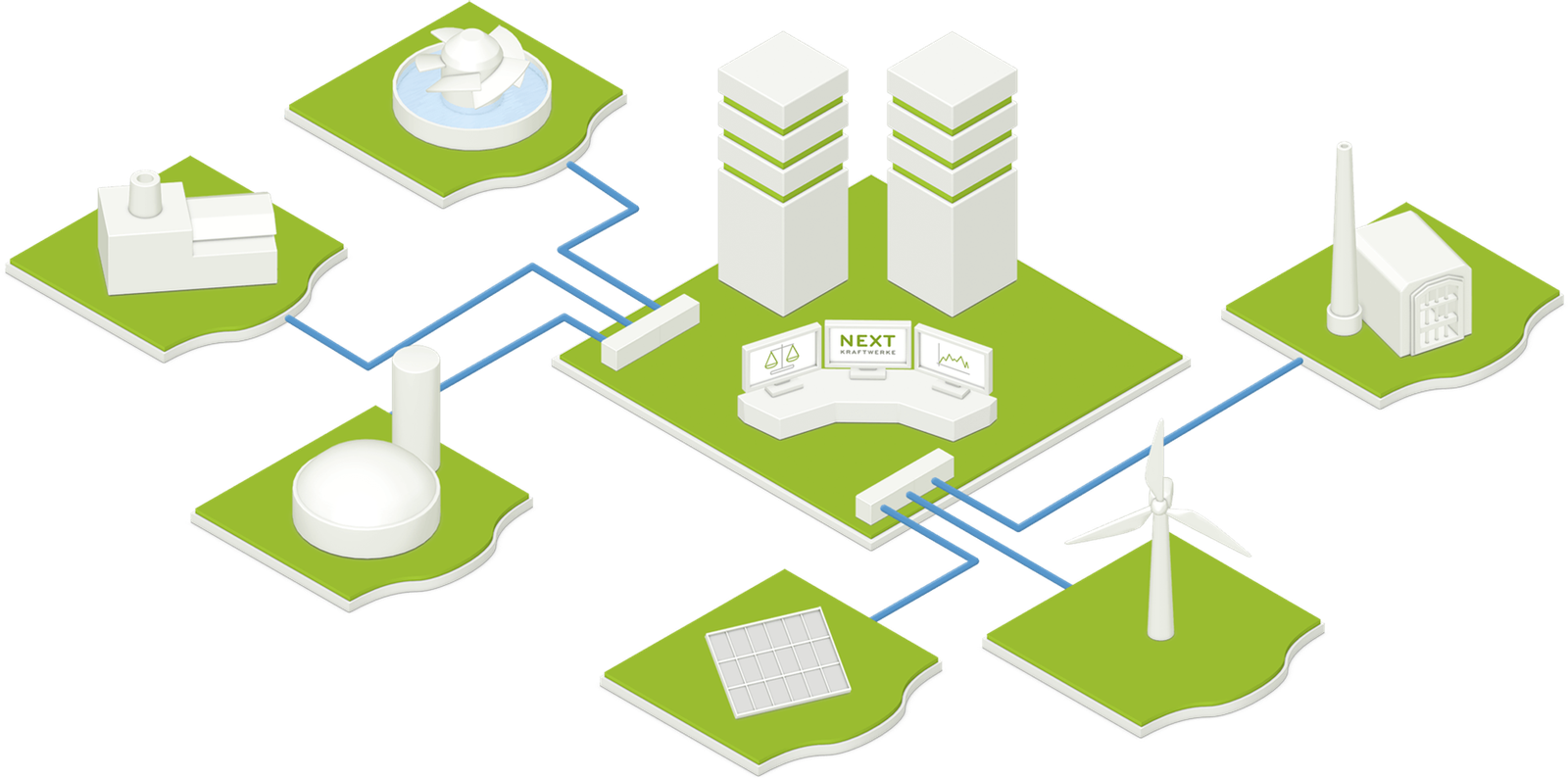
The virtual power plant is a new initiative launched by PG&E, Rewiring America, and Google to help lower costs for customers. This innovative solution aims to enhance energy efficiency in smart homes.
What is a Virtual Power Plant?
A virtual power plant (VPP) is a network of decentralized energy resources that are connected and managed to provide a reliable power supply. By integrating various sources of energy, such as solar panels, batteries, and demand response systems, VPPs can optimize the generation and consumption of electricity. This innovative solution allows for better management of energy resources while reducing costs for consumers.
In essence, a virtual power plant uses advanced software and technology to coordinate the energy output from multiple sources, making it possible to respond to changes in energy demand in real-time. This flexibility not only supports grid stability but also enhances the integration of renewable energy sources.
Recent collaborations, such as the one between PG&E, Rewiring America, and Google, aim to promote the adoption of VPPs. By leveraging these partnerships, customers can take advantage of lower energy costs and contribute to a more sustainable energy future.
As the demand for smart home solutions grows, virtual power plants emerge as a key player in modern energy management.
How Does it Work?
A virtual power plant (VPP) operates by aggregating the energy resources of multiple distributed energy systems, such as solar panels, batteries, and smart appliances. This innovative approach allows homes and businesses to collectively function as a single power plant, providing flexibility and efficiency to the grid.
Here’s how it works:
- Aggregation: Various energy resources, including renewable sources and energy storage systems, are linked through advanced software platforms.
- Monitoring: The VPP continuously monitors energy consumption and generation patterns in real-time, optimizing performance and efficiency.
- Demand Response: During peak demand periods, the VPP can shift energy usage or release stored energy to the grid, helping to balance supply and demand.
- Cost Savings: By participating in a VPP, users can take advantage of lower electricity costs and may receive financial incentives for reducing energy consumption during peak times.
This cohesive system not only supports the grid but also empowers users to manage their energy resources effectively.
Benefits of Using a Virtual Power Plant
The adoption of a virtual power plant offers numerous benefits for smart home solutions, enhancing energy efficiency and cost savings for users. Here are some key advantages:
- Cost Savings: By participating in a virtual power plant, homeowners can reduce their energy bills through lower rates and incentives from utility companies.
- Grid Stability: Virtual power plants contribute to grid stability by aggregating distributed energy resources, helping to balance supply and demand during peak usage times.
- Environmental Impact: Utilizing renewable energy sources within a virtual power plant diminishes reliance on fossil fuels, promoting a cleaner environment.
- Convenience: Smart home integration allows for easy management of energy consumption, enabling users to optimize their systems effortlessly.
- Increased Resilience: Virtual power plants can enhance the resilience of energy systems, providing backup power during outages and ensuring continuous service.
These benefits position virtual power plants as a promising solution for modern energy challenges.
Impact on Smart Home Users
The emergence of virtual power plants is reshaping the landscape for smart home users, offering a range of benefits that enhance both convenience and cost savings. These innovative systems allow homeowners to integrate various energy resources, such as solar panels and energy storage systems, into a cohesive network that can generate and manage electricity more efficiently.
As a result, users can experience:
- Reduced Energy Costs: By participating in a virtual power plant, homeowners can take advantage of demand response programs, which can translate to significant savings on their energy bills.
- Enhanced Energy Independence: With a virtual power plant, users can rely less on traditional grid power, leading to greater energy autonomy and stability, especially during peak demand times.
- Environmental Benefits: The use of renewable energy sources within a virtual power plant reduces carbon footprints, aligning with the growing trend of sustainability among consumers.
Overall, the impact of virtual power plants on smart home users is profound, making them an appealing solution for modern energy management.
Future of Energy Solutions
The future of energy solutions is rapidly evolving, and the concept of a virtual power plant is at the forefront of this transformation. As more households adopt renewable energy sources, the integration of these resources into a cohesive system becomes essential. Virtual power plants offer a way to aggregate distributed energy resources, such as solar panels and battery storage, allowing them to work together efficiently.
As technology advances, these systems will likely become more sophisticated, enabling better energy management and cost savings for consumers. The collaboration between utilities, tech companies, and homeowners will drive innovation in this space.
Moreover, as electric vehicles become more prevalent, the potential of virtual power plants will expand even further. They could provide not only energy savings but also enhanced grid reliability. As the demand for sustainable energy solutions grows, the virtual power plant model may emerge as a key strategy for achieving a more resilient and sustainable energy future.
By NextKraftwerke via Openverse